
US CO2 Emissions From Natural Gas Will Top Coal In 2016
Monday August 22, 2016
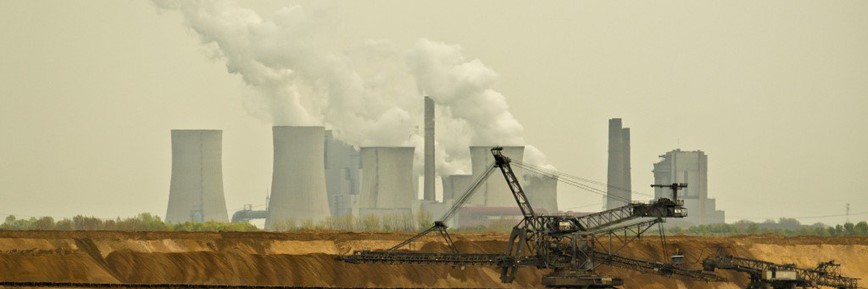
The more-efficient fossil fuel has its limitations.
A steady drumbeat of new natural-gas plants have replaced coal as the dominant source of electricity generation in the U.S.
At the beginning of 2016, America's coal production fell to its lowest level in 30 years. The march away from coal is cheered by those who would like to see the U.S., and the world, move to a lower-carbon economy.
But the increasingly heavy reliance on natural gas has exacted a toll. The energy-associated carbon dioxide emissions from natural gas are expected to top the CO2 emissions from coal for the first time more than 40 years, according to the U.S. Energy Information Administration.

Source:Â U.S. Energy Information Administration
Coal's carbon intensity is about 82 percent higher than natural gas' carbon intensity. But natural gas is used not only in electricity but also for heating. Last year, natural gas consumption for energy was 81 percent higher than coal consumption, bringing their CO2 emissions to a nearly equal footing.
Despite the rise in natural-gas carbon emissions, overall carbon intensity in the U.S. has been falling overall in recent years. But that cannot be attributed entirely to the switch from natural gas to coal. Instead, the increasing mix of renewables, primarily wind and solar, has also been key to pushing the country's carbon intensity to lower levels.

Source: U.S. Energy Information Administration
The reliance on natural gas also has another downside: a lack of fuel divers...